
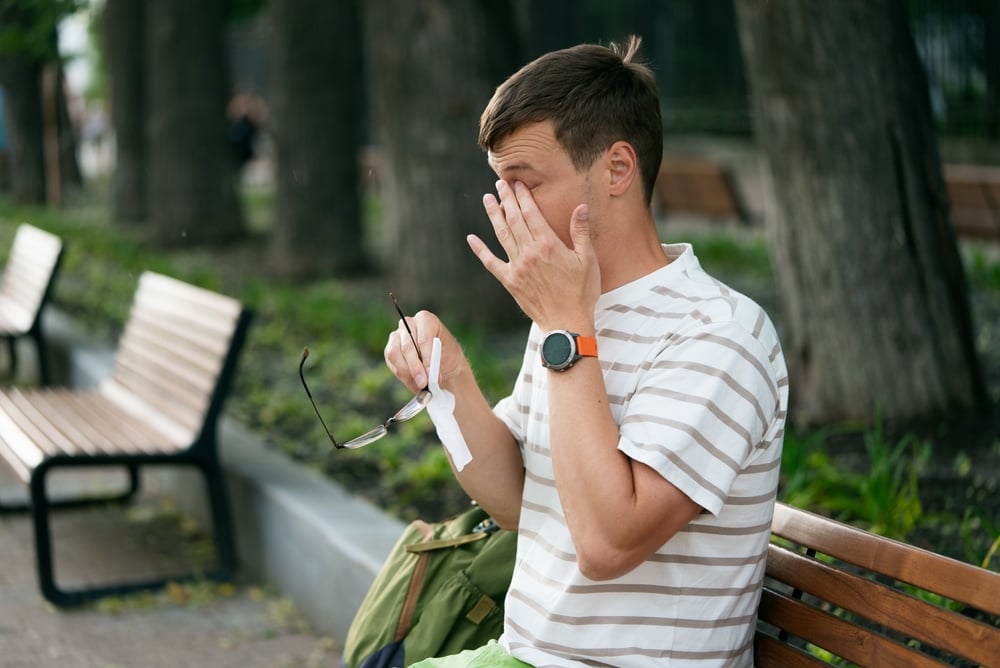
Allergy season in the Lowcountry does not so much arrive as settle in for an extended stay. Just as the spring oak pollen begins to fade, the grasses and weeds of summer take over, and by the time those ease off, ragweed is rolling in for the fall. For a great many Charleston-area families, that means months of watery eyes, scratchy throats, and the constant background hum of congestion. The cruelest part is that stepping inside offers far less relief than you would hope, because the pollen you are trying to escape has already come indoors with you. If you have been searching for real ways to reduce pollen in your Charleston home, the solution starts with understanding how it gets in and why it stays.
Why the Lowcountry Allergy Season Feels Endless
In much of the country, allergy sufferers get a genuine offseason when winter shuts pollen production down for a few months. Here, our mild climate keeps the growing season long and the pollen counts elevated for a far greater stretch of the year. One trigger hands off to the next with barely a pause, so the relief never fully comes. That extended exposure is a big part of why so many residents who never had allergies growing up find themselves reacting after a few years in the Lowcountry. The sheer duration of the season wears down even resilient immune systems.
How Outdoor Pollen Becomes an Indoor Problem
Pollen is remarkably good at hitching a ride indoors. It clings to clothing and hair, rides in on the fur of dogs and cats, and drifts through every open door and window. Even a well-sealed home pulls outdoor air in through normal ventilation and the everyday operation of your HVAC system. Once those particles are inside, your ductwork distributes them throughout the house, and they settle into carpets, bedding, and upholstery. There they can keep triggering symptoms long after the outdoor count has dropped, which is why your own home can feel like the source of your misery even on a low-pollen day.
Practical Ways to Reduce Pollen in Your Charleston Home
The good news is that a handful of consistent habits make a real difference. Changing your HVAC filter on schedule and keeping windows closed on high-pollen days limits both how much pollen gets in and how much recirculates once it does. Vacuuming with a HEPA-equipped machine and washing bedding in hot water each week removes the pollen that has already settled onto soft surfaces. Leaving shoes at the door and bathing pets more often during peak season cuts down on what your family tracks inside in the first place. These steps are all worth doing, and together they meaningfully lower your indoor pollen load. What they cannot do on their own is treat the air itself, and that is usually the piece people are missing.
Treating the Air, Not Just the Surfaces
This is where most homes come up short. You can clean every surface in the house and still be breathing air full of suspended allergens. Our Relieve system addresses that gap directly, using AtmosAir bi-polar ionization to bind airborne pollen, dander, and mold so they grow heavy and drop out of the air before they ever reach your lungs. Because it works continuously through your existing HVAC, it keeps treating the air every hour of every day rather than only when you happen to run the vacuum. It also pairs naturally with the illness-fighting benefits of our Protect approach, and you can explore the full range of concerns it addresses on our Why Air Quality page.
Breathe Easier This Allergy Season
You cannot control when the oaks release their pollen or how long ragweed lingers, but you can control the air inside your own home. With the right combination of good habits and active air treatment, allergy season stops feeling like something you simply have to endure. We serve families throughout greater Charleston, from Mount Pleasant to downtown and out to the islands, and every project starts with a free in-home assessment. When you are ready to take the sneezing out of the season, book yours today.