Walk into any big box store on Rivers Avenue and you will find a wall of air purifiers, most of them promising to clean a room of a certain square footage. They are affordable, they are available today, and for a lot of people they are the obvious starting point. The question worth asking before you buy three of them is whether a collection of portable units is actually solving the problem you have, or whether it is solving a smaller version of it in a few rooms while leaving the rest of the house untouched.
The Coverage Problem
A portable purifier cleans the air in the space where it sits, and it does that best with the door closed. That is a genuine limitation rather than a technicality, because it means the machine’s usefulness depends entirely on where people happen to be and whether the room is sealed. Families do not live that way. Doors stay open, people move between rooms, and the air moves with them.
A typical Charleston house of two thousand square feet would need several units running continuously to approach whole-house coverage, and even then, the hallways, the kitchen, and the ductwork itself go untreated. Those units also have to be maintained individually. Multiple filters, multiple replacement schedules, multiple things to forget about.
Where the Air Actually Converges
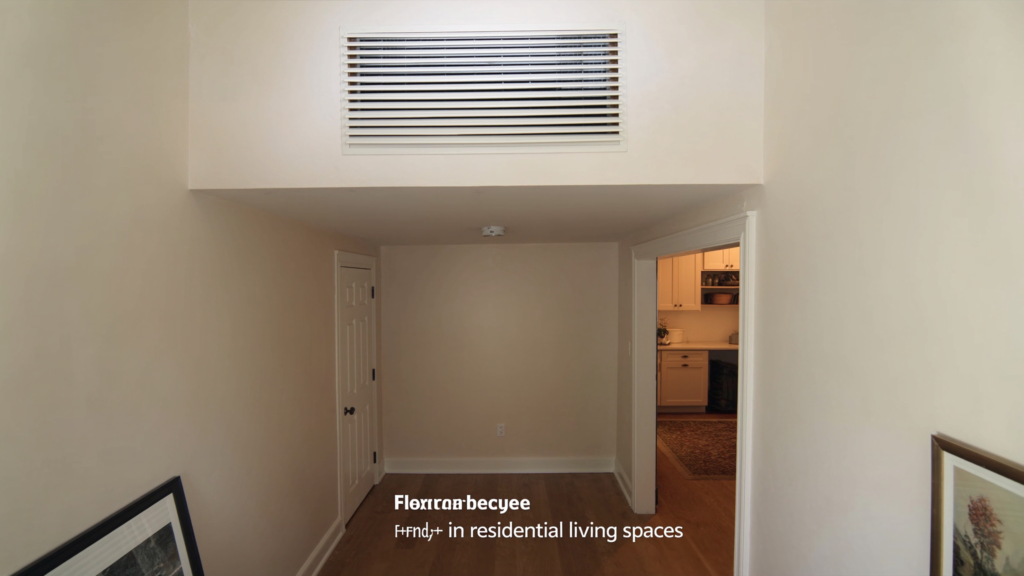
Every room in a home with central heating and air is connected by a single system. The return pulls air from the house, the air handler conditions it, and the supply distributes it back out. That means there is one point where effectively all of your indoor air passes through on a regular cycle. Treating air there rather than in individual rooms is a fundamentally different proposition, and it is the reason whole-home systems cover ground portable units structurally cannot.
It also addresses the ductwork itself, which matters more in the Lowcountry than most places. Ducts here are frequently routed through crawlspaces and attics where humidity is high, and any microbial activity that establishes itself inside that ducting gets distributed to every room in the house. No portable unit sitting in a bedroom reaches inside the ducts. A whole-home system installed in the air handler treats that air directly.
Particles Are Only Half the Job
There is a second distinction worth understanding, and it is not about portable versus whole-home so much as about what technology is doing the work. Mechanical filtration strains particles out of air. It is effective on dust, pollen, dander, and mold spores, all of which are physical particles large enough to be caught. It does nothing about gases, and a great deal of what makes indoor air unpleasant is gas rather than particle. Cooking odors, cleaning product residue, off-gassing from new furniture, and the musty smell produced by mold are all volatile compounds that pass straight through a filter.
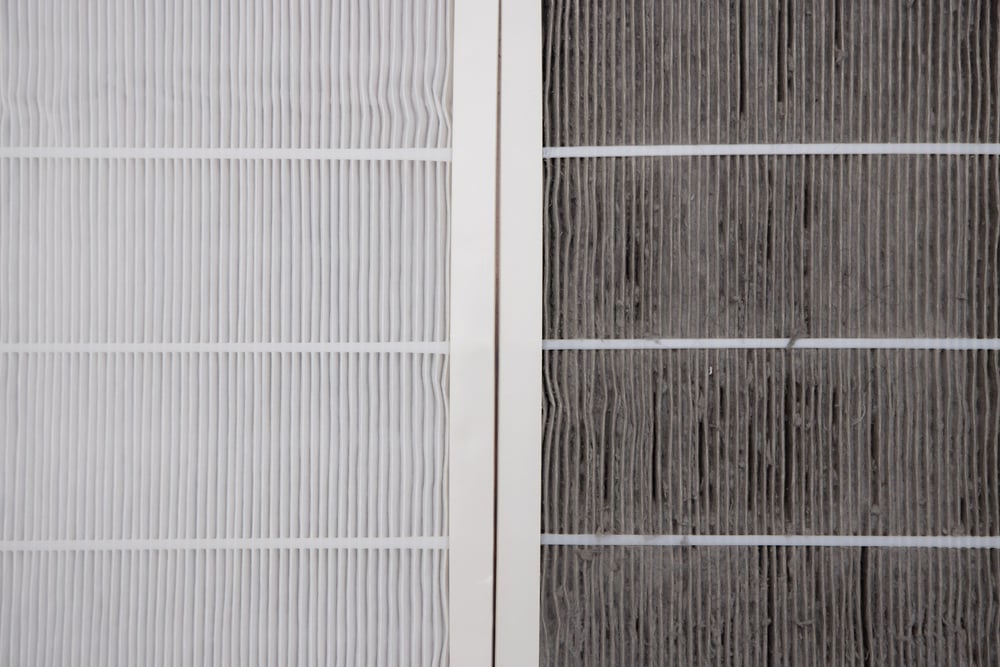
Technologies that treat the air itself, rather than only straining it, address that second category. We walked through how that works and where the two approaches differ in our comparison of bi-polar ionization and traditional air filters. The practical implication is that a home dealing with odor complaints, not just dust complaints, needs more than a better filter regardless of whether that filter is portable or installed.
Runtime, and Why It Decides Everything
The most underrated factor in either approach is how many hours it actually operates. A portable unit only works when it is on, and people turn them off because of noise or because they left the room. A whole-home system tied to your HVAC only works when the system is circulating, which in Charleston is a lot in July and much less in a mild October week.
This is why the better whole-home installations are configured to run continuously or on an extended fan schedule rather than only during heating and cooling calls. Air treatment that runs four hours a day produces a fraction of the result of the same technology running around the clock. When comparing options, ask about runtime before asking about anything else, because it drives the outcome more than any specification on the box.
Where Portable Units Genuinely Make Sense
None of this means portable purifiers are useless. They are the right answer in specific situations. A rental where you cannot modify the HVAC. A single bedroom where one household member has severe allergies and you want an extra layer beyond whole-home treatment. A home office, a nursery, or a workshop where a localized source generates something the rest of the house does not deal with. A short-term problem during a renovation.
What they are not is a substitute for treating the whole volume of air in a house that has a central system available to do it. The most common pattern we see is a homeowner who bought three portable units, saw partial improvement, and concluded that air purification does not really work. Usually it was working. It was just working in three rooms out of nine.
Deciding for Your Own House
The honest way to choose is to start with the problem rather than the product. If one room has an issue, treat that room. If the whole house smells musty in August, if multiple people have symptoms, if the dust returns everywhere two days after cleaning, that is a whole-house pattern and it wants a whole-house answer. Our article on what air purifiers actually do about mold covers how to think about that when moisture is part of the picture, and the frequently asked questions page addresses the practical points homeowners raise most often.
If you want to see what whole-home treatment would look like in your house, the Matterhorn System page explains the approach in detail, and we are glad to come look at your specific setup before recommending anything.