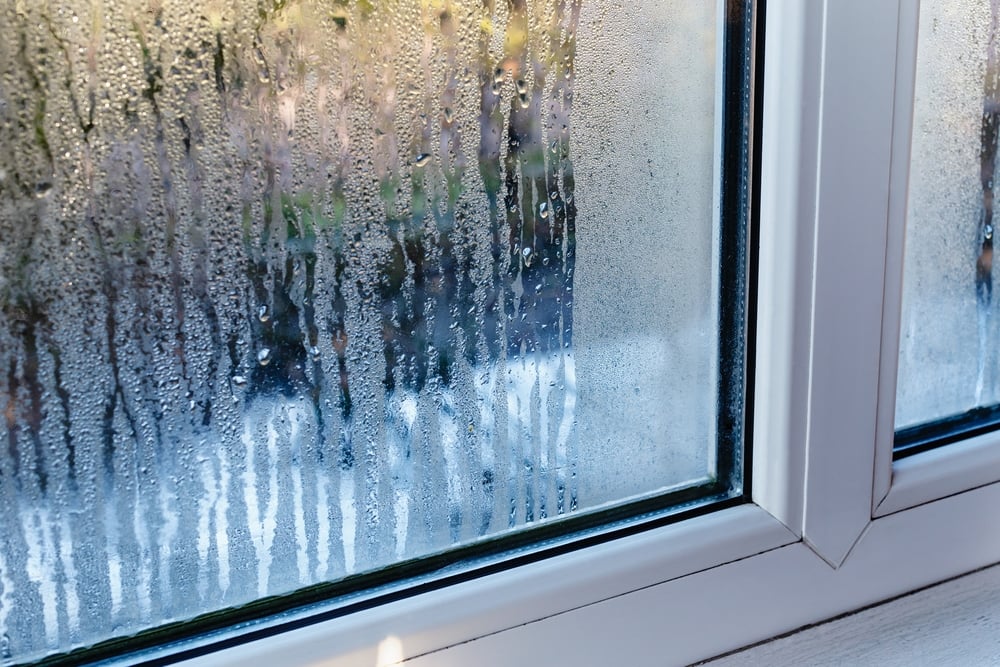
Anyone who has spent a summer in the Lowcountry knows the feeling. You step outside and the air wraps around you like a warm, damp towel, and within minutes you are reaching for shade or air conditioning. What is easy to forget is that this moisture does not politely stop at your front door. It follows you inside, settling into carpets, upholstery, drywall, and the ductwork that feeds every room of your home. When people worry about Charleston indoor air quality, they usually picture pollen drifting off the oaks or a fine layer of dust on the furniture, but humidity is the quieter culprit, and it is the one that makes nearly every other air-quality problem worse.
Why Charleston Homes Are Especially Vulnerable
Charleston’s climate is defined by long, warm seasons and humidity that lingers for the better part of the year. Add in the salt air near the coast and the pollen-heavy shoulder seasons, and you have a recipe for indoor air that never quite feels fresh. Because our air conditioners run so often, they are constantly pulling that humid air through the system and recirculating it from room to room. The very machine that keeps you comfortable is also moving moisture, and everything suspended in it, throughout the house all day long. Older homes downtown and on the islands feel this most acutely, but even newer construction struggles when the outdoor humidity sits high for weeks at a time.
The Mold and Mildew Problem Nobody Talks About
Mold is opportunistic, and it only needs relative humidity above roughly fifty percent to take hold. In a Lowcountry home that threshold is crossed easily, especially in bathrooms, laundry rooms, closets, and any corner where airflow is limited. The trouble is that mold rarely stays where it starts. Spores are light enough to travel through your ductwork and settle in rooms far from the original source, which is why a single damp closet can affect the air quality of an entire floor. That faint musty smell so many Charleston homeowners have learned to live with is not a cosmetic issue to be covered with a candle. It is a signal that spores, and the compounds they release, are actively circulating in the air your family breathes.
How Humidity Amplifies Allergens and Odors
Moisture does far more than feed mold. Dust mites, one of the most common indoor allergens, depend on humidity to survive and multiply, so a damp home is a comfortable home for them. Pollen and pet dander behave differently in humid air as well, tending to cling and linger rather than clearing out on their own. On top of that, the volatile organic compounds released by cleaning products, new furniture, and everyday cooking hang around longer when the air is heavy and slow-moving. The result is a home that can look immaculate and still feel stuffy, smell stale, and leave allergy-prone family members congested no matter how often you clean.
Why Filters and Dehumidifiers Only Go So Far
Most homeowners reach for two familiar tools: a better air filter and a dehumidifier. Both help, and neither is a waste of money. A dehumidifier can bring moisture levels down, and a quality filter will trap larger particles as they pass through the return. The limitation is that these are partial fixes. A filter only cleans the air that happens to move through it, and it does nothing for the surfaces where mold and bacteria settle. A dehumidifier manages moisture but ignores the pathogens, allergens, and odors already suspended in the air. To meaningfully improve indoor air quality in a humid climate, you need something that treats the air continuously rather than waiting for problems to arrive at a filter.
A More Complete Approach: Active Air Treatment
This is where active purification changes the equation. Instead of passively catching particles, AtmosAir bi-polar ionization sends a steady stream of positive and negative ions through your existing HVAC system. Those ions attach to airborne particles, making allergens heavy enough to fall out of the air, and they break down the surface proteins of viruses along with the compounds behind stubborn odors. Because the system treats both the air and the surfaces in every room it reaches, it works with your home’s humidity instead of fighting a losing battle against it. Our Relieve and Refresh solutions were designed with exactly these Lowcountry conditions in mind, targeting the allergens and odors that thrive in damp coastal air.
What This Means for Your Home
Start with the fundamentals: run your HVAC fan to keep air moving, replace filters on schedule, and use exhaust fans in the rooms that trap the most moisture. Those habits genuinely matter. But if you have chased that musty smell around your house for years, or watched a family member’s allergies flare the moment they walk in the door, it may be time to treat the air itself. We install and service whole-home systems across Mount Pleasant, Sullivan’s Island, and the greater Charleston area, and every project begins with a conversation about your specific home. When you are ready to breathe easier, book a free in-home air assessment and we will help you find the right fit.