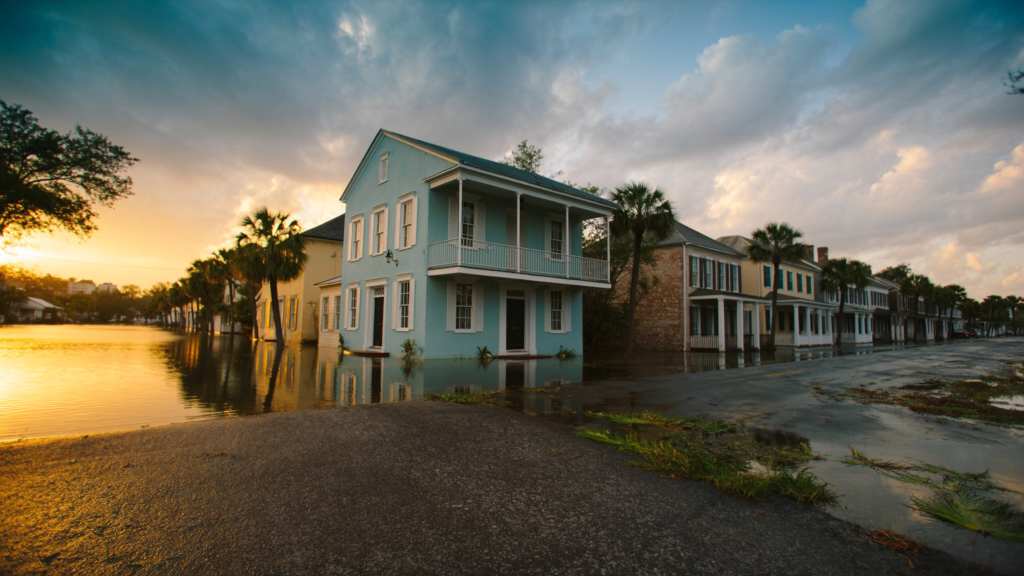
Charleston knows how to prepare for a storm. We move the porch furniture, fill the bathtub, check the generator, and watch the cone with the practiced attention of people who have done this many times. What gets far less attention is the week after, once the wind has moved on and the water has drained back into the marsh. That is when a much slower problem begins, and unlike the storm itself, this one does not announce its arrival. It shows up weeks later as a smell, a cough, or a stain spreading quietly behind a baseboard.
The Clock Starts Immediately
The number worth memorizing is twenty-four to forty-eight hours. That is roughly how long a wet surface has before mold begins to establish itself, and in a Charleston August, with ambient humidity already high and power possibly out, the timeline runs closer to the short end than the long one. This is the reason storm response is fundamentally a drying problem rather than a cleaning problem. Water that is removed on day one is an inconvenience. Water that is still present on day four has become a biological situation.
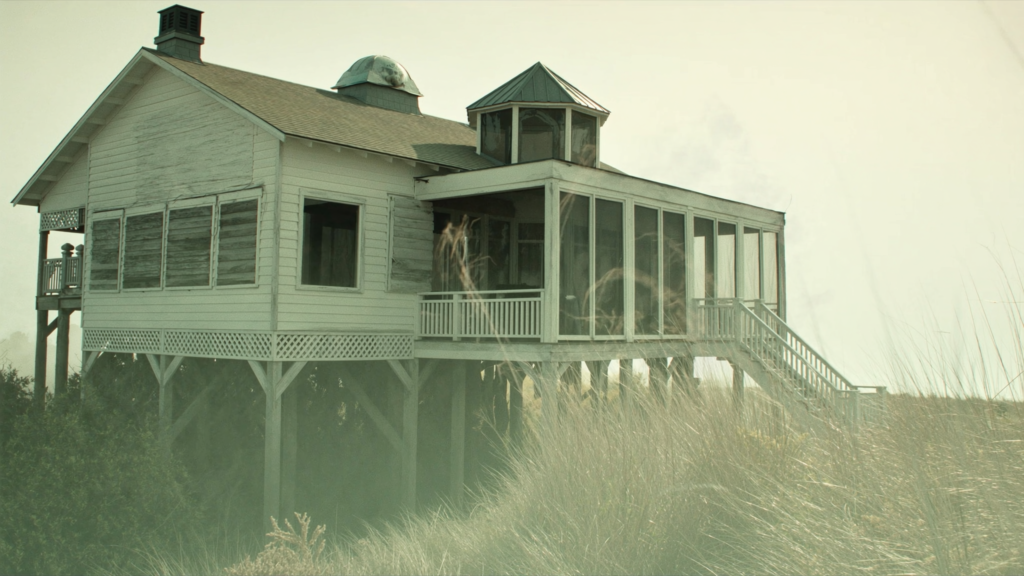
What complicates this here is that the water rarely stays where you can see it. Lowcountry flooding is patient. It wicks up drywall, moves under vinyl and laminate flooring, saturates the insulation inside a wall cavity, and settles into crawlspaces beneath older homes downtown and on the peninsula. The visible puddle in the hallway is often the smallest part of the problem. The floor can look dry within a day while the wall behind it stays saturated for weeks.
Why Your Air Conditioner Becomes Part of the Story
Once power is restored and the air conditioning comes back on, the house begins circulating again, and that changes the nature of the problem. Any spores that have started growing in a damp corner now have a distribution system. Your ductwork picks up whatever is in the return air and delivers it evenly to every room in the house. A wet spot confined to one downstairs closet becomes a whole-house air quality issue within days.
There is a second complication specific to storm recovery. If floodwater reached your ductwork or air handler, which happens more often than people realize in homes with ducts in crawlspaces, the system itself may now hold moisture and organic material. Running it circulates that material. This is worth having inspected before you assume everything is fine simply because cold air is coming out of the vents.
What Actually Helps in the First Week
Move air aggressively and get moisture out of the structure, not just off the surface. Open windows only when the outdoor humidity is genuinely lower than indoors, which in a Charleston September is not always the case, so check before assuming ventilation helps. Run dehumidifiers continuously and empty them far more often than feels necessary. Pull up saturated carpet and pad rather than trying to dry them in place, because pad almost never recovers. If drywall got wet, cutting out the lower portion is not an overreaction, it is the standard response, because gypsum holds water and feeds mold beautifully.
Keep an eye on your hygrometer through this period. Getting the whole house back under fifty percent relative humidity is the single clearest signal that you are winning. If you are not sure where your home stands, our guide to testing indoor air quality in a Charleston home walks through what to measure and how to interpret it.
The Smell That Shows Up in October
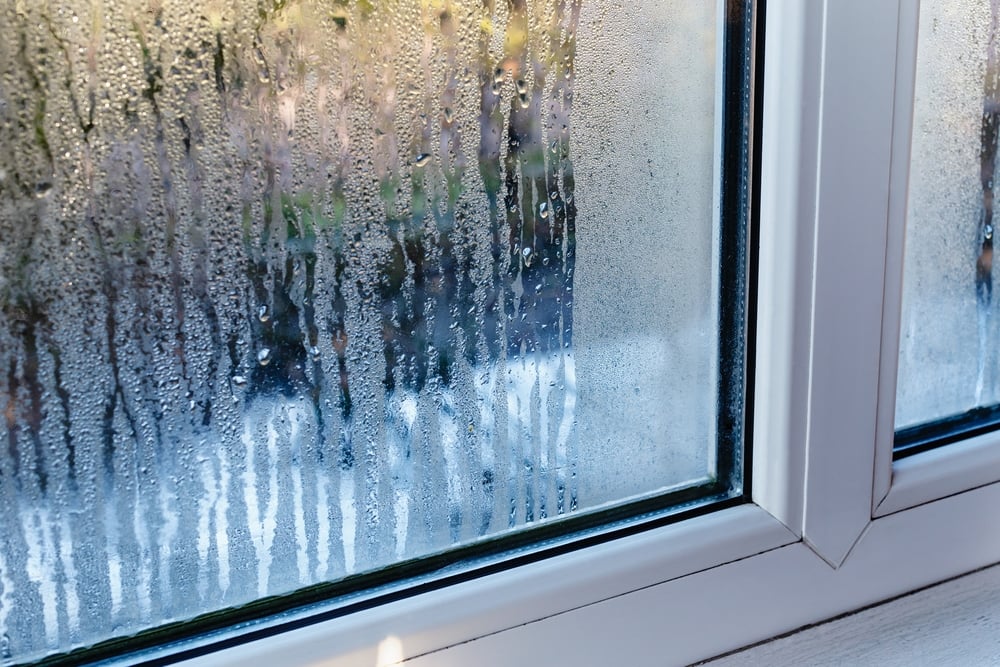
Many homeowners tell us the same story. The storm passed, the cleanup went fine, everything seemed normal, and then a month later a musty odor appeared that nobody could locate. That is the signature of moisture that was never fully removed from a wall cavity, a subfloor, or a crawlspace. By the time you can smell it, a colony has been growing for weeks and is actively releasing both spores and the volatile compounds responsible for the odor.
At that point the response has two parts. Someone needs to find and remove the growth, and the air moving through the house needs to be treated so the spores already in circulation stop reseeding new locations. We covered how that second half works, and where filtration alone falls short, in our article on whether air purifiers actually help with mold.
Building In Resilience Before the Next One
Hurricane season runs through November, and Charleston will keep getting weather. The homes that come through repeated seasons in good shape tend to share a few characteristics. Their crawlspaces are encapsulated or at least well controlled for vapor. Their humidity is actively managed rather than left to the thermostat. Their HVAC systems include air treatment that runs continuously rather than filtration alone. None of that prevents flooding, but all of it shortens recovery and reduces how much a wet week costs you afterward.
This is really the argument for treating indoor air as infrastructure rather than as an accessory. A home protected by continuous whole-home air treatment enters storm recovery in a much stronger position than one relying on a filter changed twice a year. For homes on the peninsula in particular, where flooding is a recurring rather than occasional event, that difference compounds season after season. Our page for downtown Charleston homeowners goes into the specific challenges of historic construction here.
After the Water Recedes
Storm recovery in the Lowcountry is measured in months, not days, and the part that matters most to your family’s health is the part that happens invisibly inside your walls and your ductwork. Dry fast, look harder than feels necessary, watch your humidity, and treat the air continuously afterward.
If your home took on water this season and you want a clear read on what your air is doing now, we are glad to come take a look. You can request an assessment and we will evaluate your system, your humidity, and your ductwork before recommending anything at all.