There is a particular pleasure to a house on the water here. Morning light off the Atlantic, a breeze through the screened porch, the smell of salt and pluff mud that tells you exactly where you are. What island homeowners learn eventually, usually the hard way, is that the same coastal air responsible for all of that is also doing steady, patient work on the inside of their home. Salt air is not gentle. It is corrosive, persistent, and it comes with humidity levels that stay elevated even when a home a few miles inland has dried out.
What Salt Air Actually Does Indoors
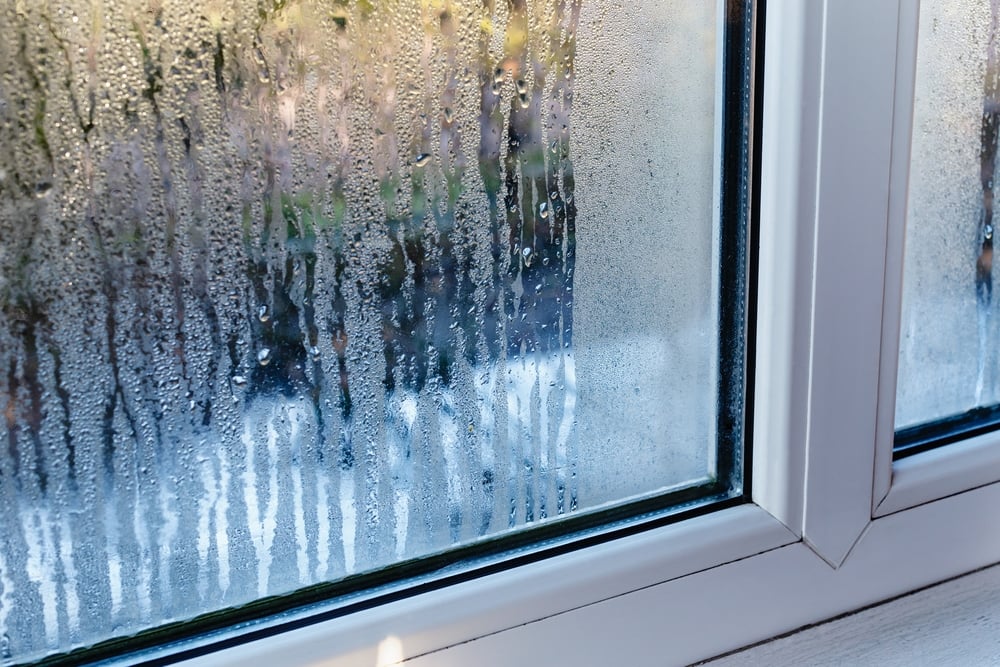
Airborne salt is not a metaphor. Fine salt aerosol carried off the surf settles on every surface it reaches, indoors and out, and salt is hygroscopic, meaning it actively pulls moisture out of the air and holds it. That property is why island homes so often feel damp even when the thermostat is set low and the air conditioner has been running. The salt that has accumulated on surfaces, in fabrics, in filters, and inside your ductwork keeps drawing moisture back in.
That has consequences for the mechanical systems your comfort depends on. Salt accelerates corrosion on outdoor condenser coils, on the fins that transfer heat, and on the metal components inside the air handler. A system that would last fifteen years in Summerville often shows meaningful degradation much sooner on Sullivan’s Island or the Isle of Palms. Corroded coils lose efficiency, and a system running less efficiently removes less moisture from your air, which starts a cycle that reinforces itself.
The Humidity Problem Is Worse on the Islands
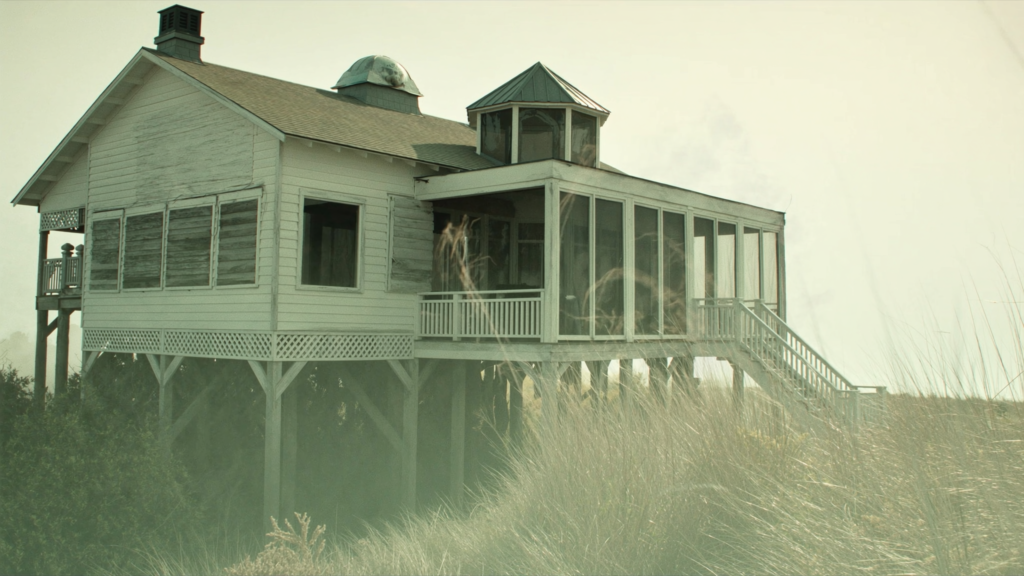
Coastal homes sit in a microclimate that holds humidity longer than the mainland. Add elevated construction on pilings, common on Isle of Palms and Sullivan’s Island, and you have an underside exposed to damp air on all sides with no thermal mass beneath the floor to moderate it. That creates a persistent moisture load rising into the living space from below.
Many island properties also spend part of the year unoccupied. A house closed up for six weeks in July with the thermostat set to eighty to save on electricity is a house sitting at high interior humidity for six uninterrupted weeks. This is the single most common way a beautiful home on Kiawah or Seabrook develops a musty problem that greets the owners when they return. Nothing dramatic happened. The air simply sat still and damp for long enough.
Why Ventilation Advice Gets Complicated Here
General home advice tells you to open the windows and let fresh air in. On the coast that guidance needs qualification. Outdoor air here often carries relative humidity above eighty percent, along with salt aerosol and, in the shoulder seasons, substantial pollen. Opening the house on a humid August morning does not dry it out. It loads it with moisture you will then pay to remove.
The better approach on the islands is controlled rather than open ventilation. Keep the envelope reasonably tight, manage humidity mechanically, and treat the air continuously as it circulates. You still get fresh, clean air, but on terms you set rather than terms the Atlantic sets for you.
What Coastal Homes Actually Need
A few things consistently make the difference between an island home that feels crisp and one that always feels slightly damp. Set your unoccupied thermostat with humidity in mind rather than purely for savings, or install a controller that runs the system on humidity rather than temperature alone. Rinse the outdoor condenser regularly with fresh water, which sounds trivial and measurably extends equipment life in salt exposure. Keep an eye on your filter, which loads faster here than inland. And treat the air moving through the system continuously rather than relying on a filter to catch everything as it passes.
That last point matters more on the coast than almost anywhere, because the combination of persistent moisture and organic material in the air gives microbial growth a standing invitation inside ductwork. Continuous whole-home treatment addresses the air in the ducts themselves, not just the air in a room, which is the difference between managing the problem and chasing it. Our overview of how this keeps a home feeling genuinely refreshed covers what that experience is actually like day to day.
Storms Compound Everything
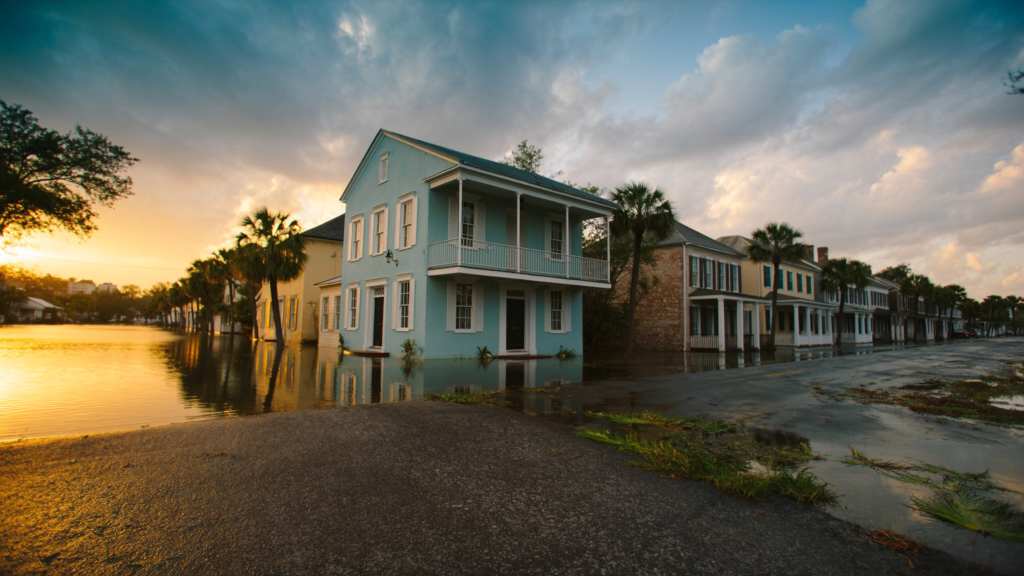
Island homes also sit first in line during hurricane season, and salt-laden storm surge is considerably harder on a structure than rainwater. If your home has taken on water, the recovery timeline and the risks are worth understanding in detail, which we walked through in our article on indoor air after the water recedes. The short version is that coastal homes need to dry faster and be watched longer than inland homes after the same event.
Living Well on the Water
None of this is an argument against island living. It is an argument for building the right systems into a coastal house so the ocean stays the reason you love the place rather than a slow tax on it. Homeowners who get humidity and air treatment right on the islands tend to describe the same result. The house smells clean when they walk in after being away. The linens do not feel damp. The air conditioner lasts longer. The porch is still the best room in the house.
If you own a home on one of the islands and want to know how it is actually performing, we would be glad to evaluate it. You can request an assessment and we will look at your system, your humidity behavior, and the specific exposure your property has before recommending anything.